 FA

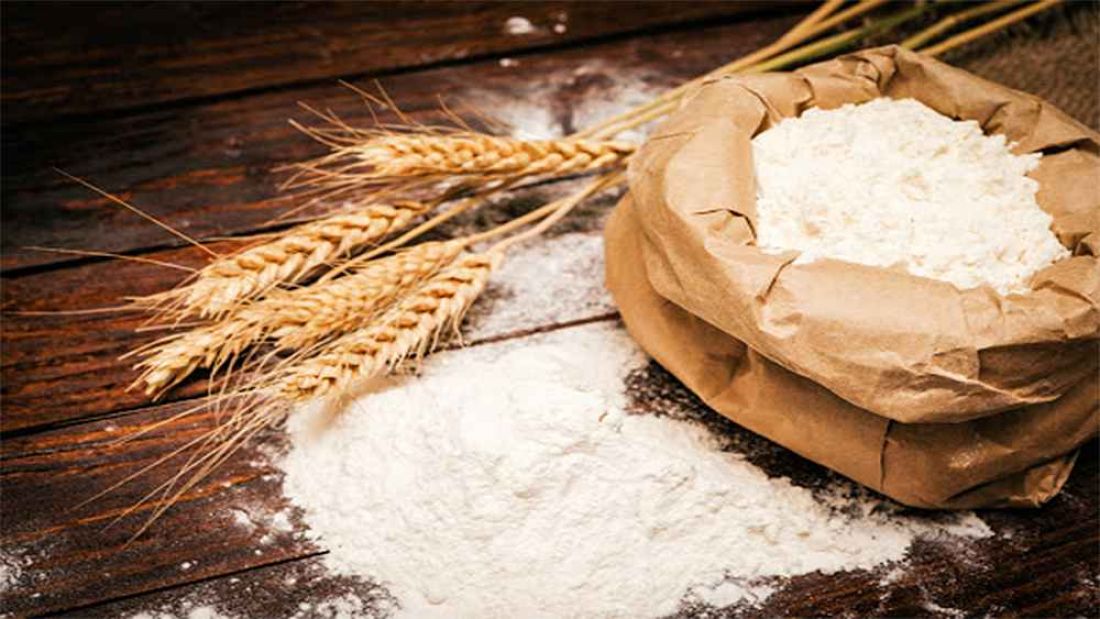
Use of flour enriched with iron in the production of flour products
Iron deficiency is the most common cause of anemia. According to global statistics, nearly a quarter of the world's population is anemic. Anemia can be seen at all ages. Women of reproductive age (due to menstruation, pregnancy, breastfeeding) and children under 5 years old are more prone to iron deficiency anemia, and iron deficiency at these ages can lead to delayed physical growth, reduced learning ability and IQ by 5 up to 10 points in them. People who suffer from iron deficiency and anemia, due to the weakening of the body's immune system and the reduction of the body's resistance to infections, get sick more often, and the duration of the disease is longer. The effects of anemia, especially its severe type during infancy and early childhood, are almost irreversible and cannot be corrected with subsequent treatment. According to global statistics, iron deficiency affects the growth and brain development of 40 to 60 percent of children aged 6 to 24 months in developing countries. Anemia during pregnancy due to iron deficiency causes delayed fetal growth, birth of a baby weighing less than 2500 grams. People who suffer from iron deficiency and anemia always feel weak and tired, and as a result, their efficiency decreases. One of the ways to prevent iron deficiency is to enrich food. Enrichment means adding or some nutrients to the commonly consumed food of people. Enriching food with a variety of nutrients such as iron, zinc, calcium, and group B vitamins is considered as the cheapest and most effective way to reduce the prevalence of micronutrient deficiency in society and in the long term, it can improve the situation in a sustainable manner. Micronutrients and reducing their prevalence in the population of a region is a matter of fact. With the daily consumption of enriched food products part of the body's needs are met. Enrichment of wheat flour has been implemented since about 60 years ago in the United States and England, and micronutrients such as iron, calcium and B group vitamins have been added to the flour. Since 1996, different countries have added folic acid to wheat flour. The reason for this is the effect of folic acid on reducing congenital neural tube defects (NTD), reducing the prevalence of high homocysteine (which is a risk factor for cardiovascular diseases), reducing the prevalence of cancers and Alzheimer's, which has been proven in several studies. In the United States, the enrichment of flour with folic acid, which began in 1996, led to a decrease in the prevalence of neural tube defects by 19%, and in Canada, between 1995 and 2001, folic acid was added to flour. Congenital neural tube defects have decreased by 50%. Due to the importance of folic acid in improving the health level of the society, this vitamin has received a lot of attention in the world today. In addition, due to the special role of folic acid in reducing homocysteine, this vitamin has been mentioned as a factor in the prevention of cardiovascular diseases, stroke, deep thrombosorides and pulmonary embolism. For this reason, since 1994, the American FDA has allowed its addition to cereal flour for enrichment purposes. Consumption of 0.4 mg in women of childbearing age, in addition to meeting the daily requirement, prevents the occurrence of congenital neural tube defects in babies. Bread is one of the foods used for enrichment. In these communities, white and completely refined flour is used to prepare bread, and its vitamins and minerals are lost according to the degree of flour extraction. In the process of milling wheat flour from which the bran is removed, the amount of micronutrients in the flour decreases with the increase in the degree of extraction. So that the whiter the flour is and the more bran has been removed from it, the less vitamins and minerals it has. Wheat bran contains large amounts of phytate, which reduces the absorption of divalent salts such as iron, zinc, and calcium. Therefore, in developed societies, in order to prevent iron deficiency, bran is completely separated and then iron and other missing micronutrients are added to flour in the enrichment process. In Iran, bread is considered the dominant and main food of the people, especially in rural areas. Based on the results of the food consumption survey, the daily per capita consumption of bread in the country is 320 grams. This amount provides about 34% of energy and 40% of daily protein requirement. For this reason, bread is considered as a suitable carrier for enrichment with micronutrients, especially iron and folic acid. With the formulation of the national flour enrichment program, Khabazi flours are enriched with iron and folic acid. Currently, flour enrichment program has started in all provinces of the country except Tehran, and people are using enriched bread. By consuming enriched bread, at least 30% of the body's need for iron and folic acid is provided. Excessive consumption of folic acid is dangerous. Researchers warned although the use of folic acid is very useful and recommended especially for women, it should be noted that this substance has both positive and negative effects. The results of various studies show that folic acid consumption reduces the risk of cancer and birth defects, but American researchers warned that this substance can also increase the growth of precancerous and cancerous tumors. In a recent study, Omardari, a researcher at the non-profit Academy of Educational Growth in Washington, and Dr. Joel Mason, a researcher at Tufts University, evaluated the conditions after taking folic acid as a supplement. They understand this vitamin is useful in preventing congenital neurological defects and colon and rectal cancer. However, these two researchers warned that in countries where white flour is enriched with folic acid, excessive consumption of this vitamin in the form of supplement pills is dangerous and can lead to adverse side effects for the body. For example, in people who carry precancerous tumors, increasing the amount of folic acid beyond the normal level increases the risk of developing and developing cancer.